

The UK’s leading development, testing & regulatory laboratory.
Sign up to our newsletter to receive insights and news from ADSL and key technical partners.
Get started with our expert team
Get started with our expert team
Do you live in the Paignton or greater Torbay area? Are you fascinated by the science behind skincare? Are you seeking a unique opportunity to make money while contributing to groundbreaking cosmetic research? Look no further! Become a Clinical Cosmetic Product Tester and be at the forefront of scientific innovation!
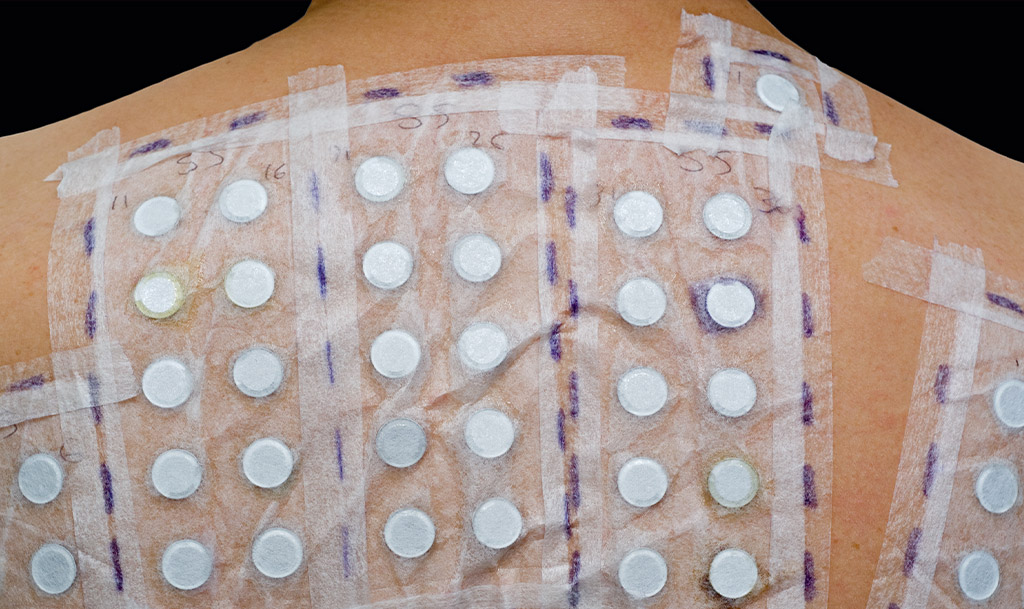
HRIPT stands for Human Repeat Insult Patch Test. It is a type of patch test conducted on human volunteers to evaluate the potential for skin irritation or sensitisation caused by a particular substance.

When you’re thinking mood lighting, candles might be one of the first things that spring to mind. But are they entirely safe? The answer is yes, but only when used correctly.
When designing and developing skincare products, you will want to be certain that the items you are dealing with are safe for consumers to use. This confidence becomes even more important when the ultimate consumer, or end user, is an infant or baby.
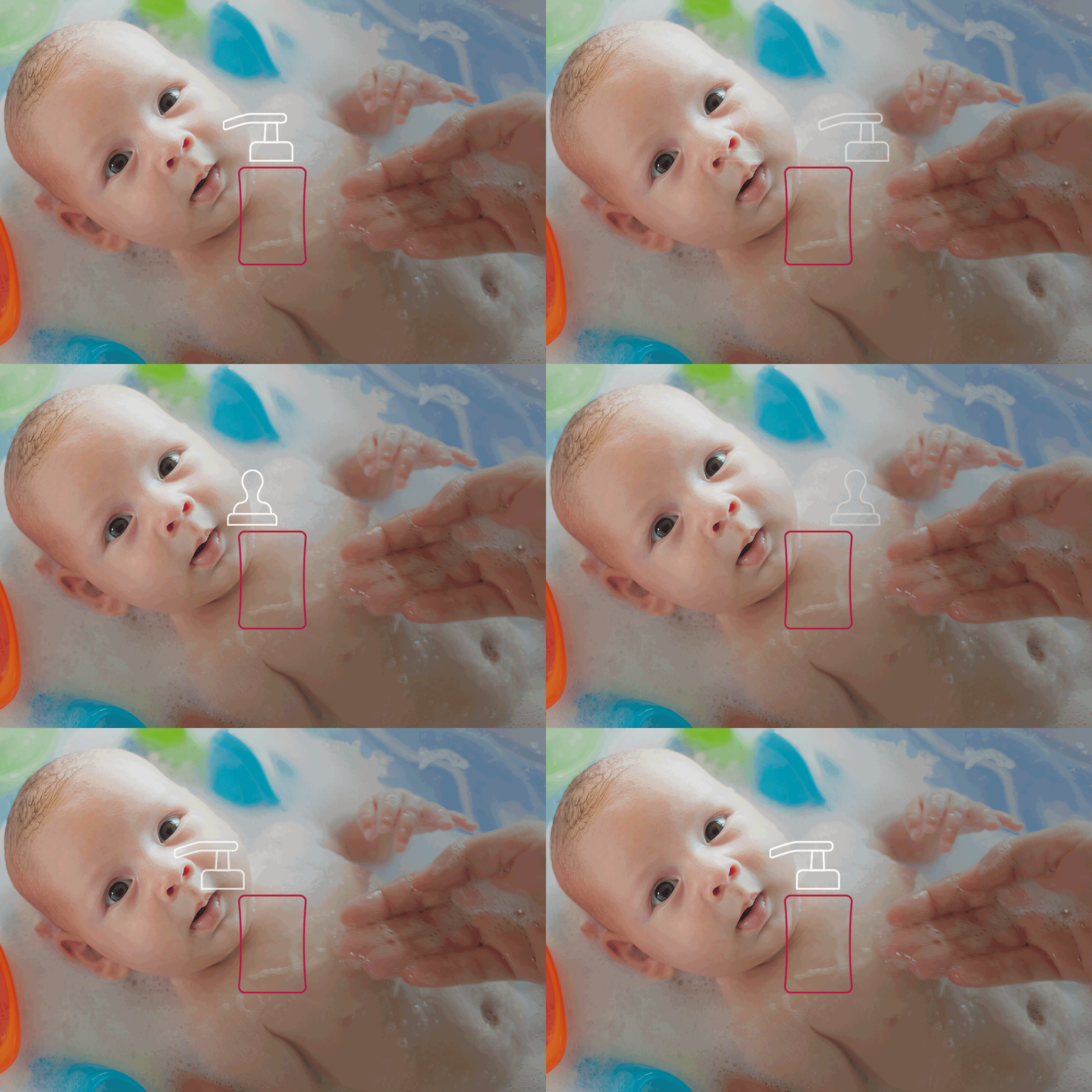
When designing and developing skincare products, you will want to be certain that the items you are dealing with are safe for consumers to use. This confidence becomes even more important when the ultimate consumer, or end user, is an infant or baby.
Heavy or toxic metals, such as lead, arsenic, cobalt, chromium, mercury and nickel, occur naturally within raw materials used extensively throughout cosmetic products including shampoos, lipstick and eye shadow.
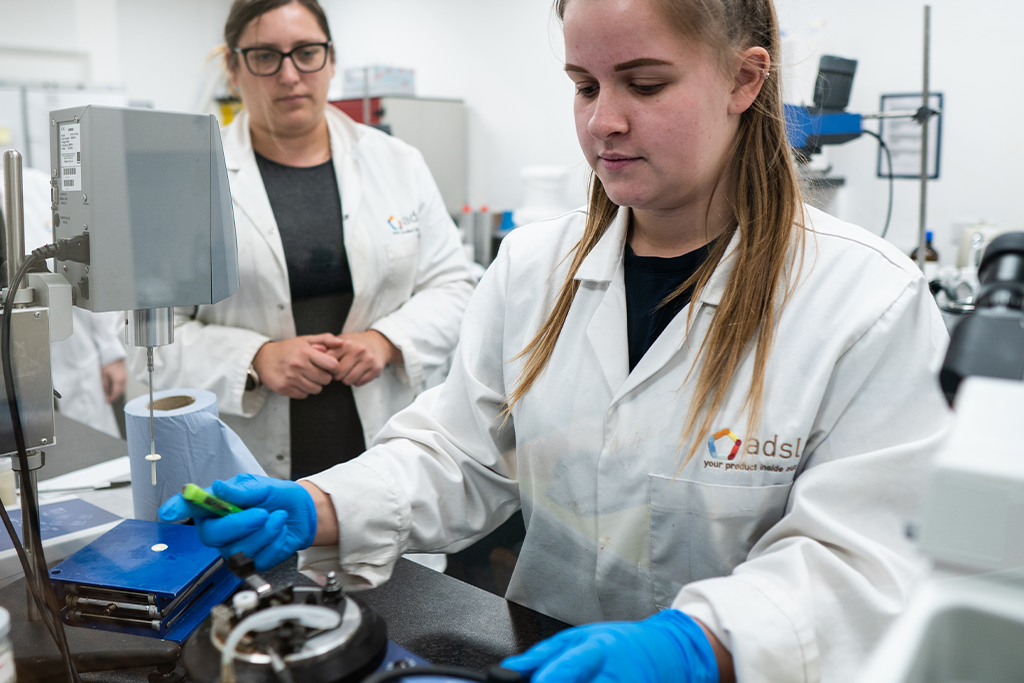
Heavy or toxic metals, such as lead, arsenic, cobalt, chromium, mercury and nickel, occur naturally within raw materials used extensively throughout cosmetic products including shampoos, lipstick and eye shadow.
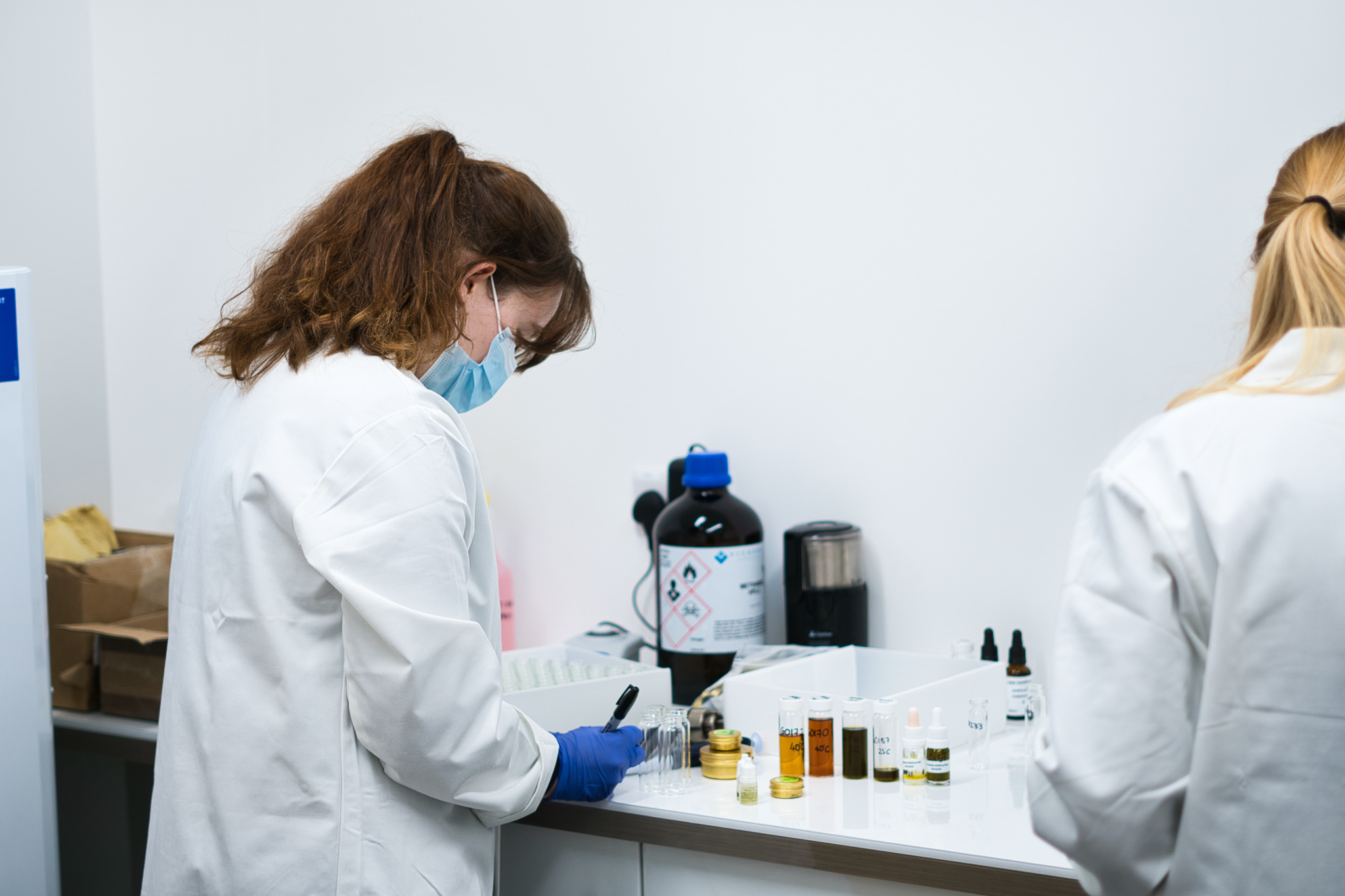
This regulation prohibits the use of 23 substances in cosmetic products and applies in the EU from 1 March 2022. These substances have been classified as carcinogenic, mutagenic and toxic to reproduction by Delegated Regulation (EU) 2020/1182 (15th ATP to CLP).
Sign up to our newsletter to receive insights and news from ADSL and key technical partners.