

The UK’s leading development, testing & regulatory laboratory.
Sign up to our newsletter to receive insights and news from ADSL and key technical partners.
Get started with our expert team
Get started with our expert team
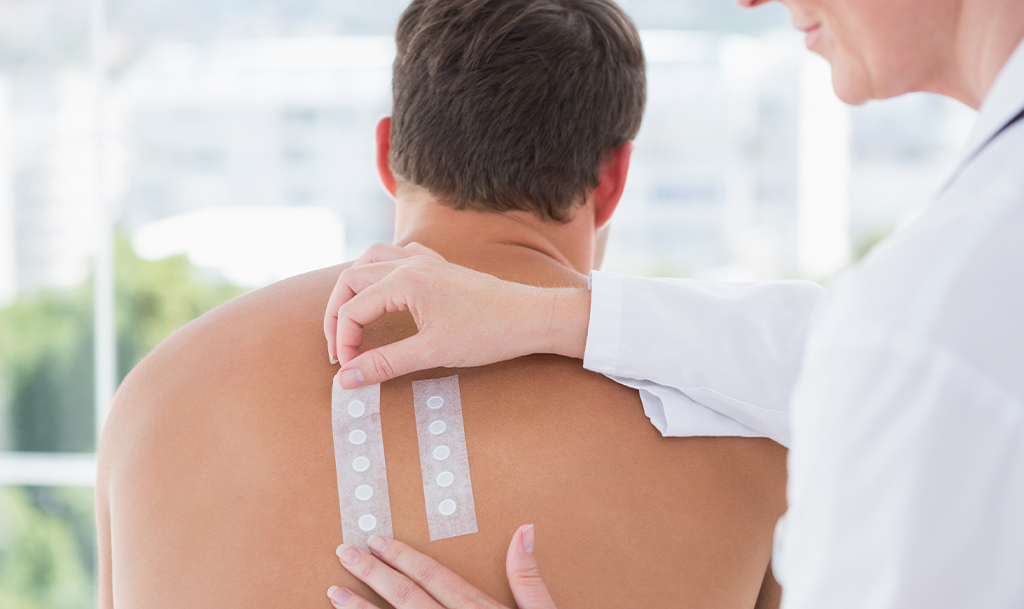
In the field of cosmetic product testing, there are several types of Safety Patch Testing that can be conducted depending on the claims and where you plan to market your products.
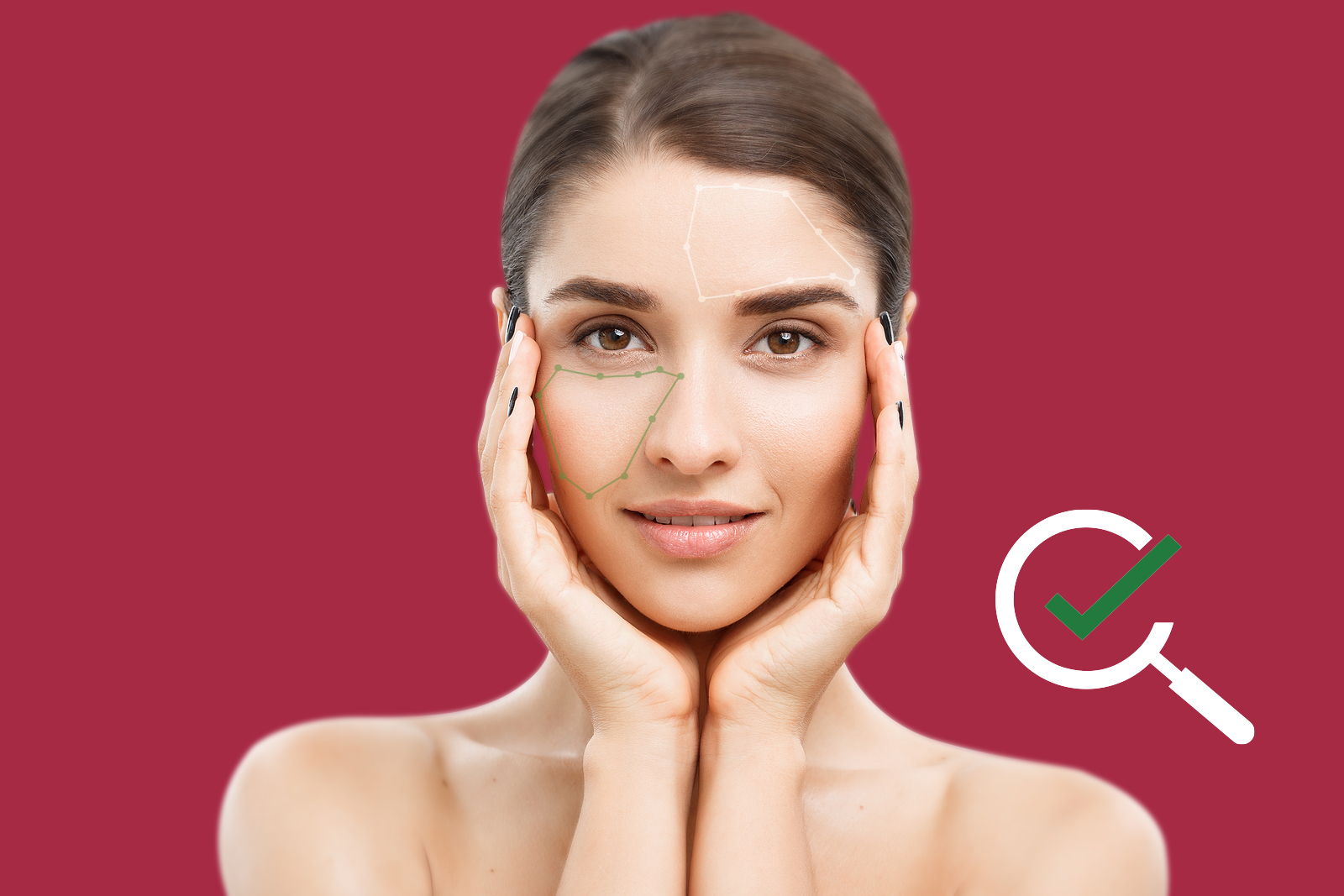
High-resolution imaging allows for detailed visualization, providing objective evidence of skin condition before and after product usage. This imaging technique helps in capturing images that can be used as visual proof of the effectiveness of cosmetic products.
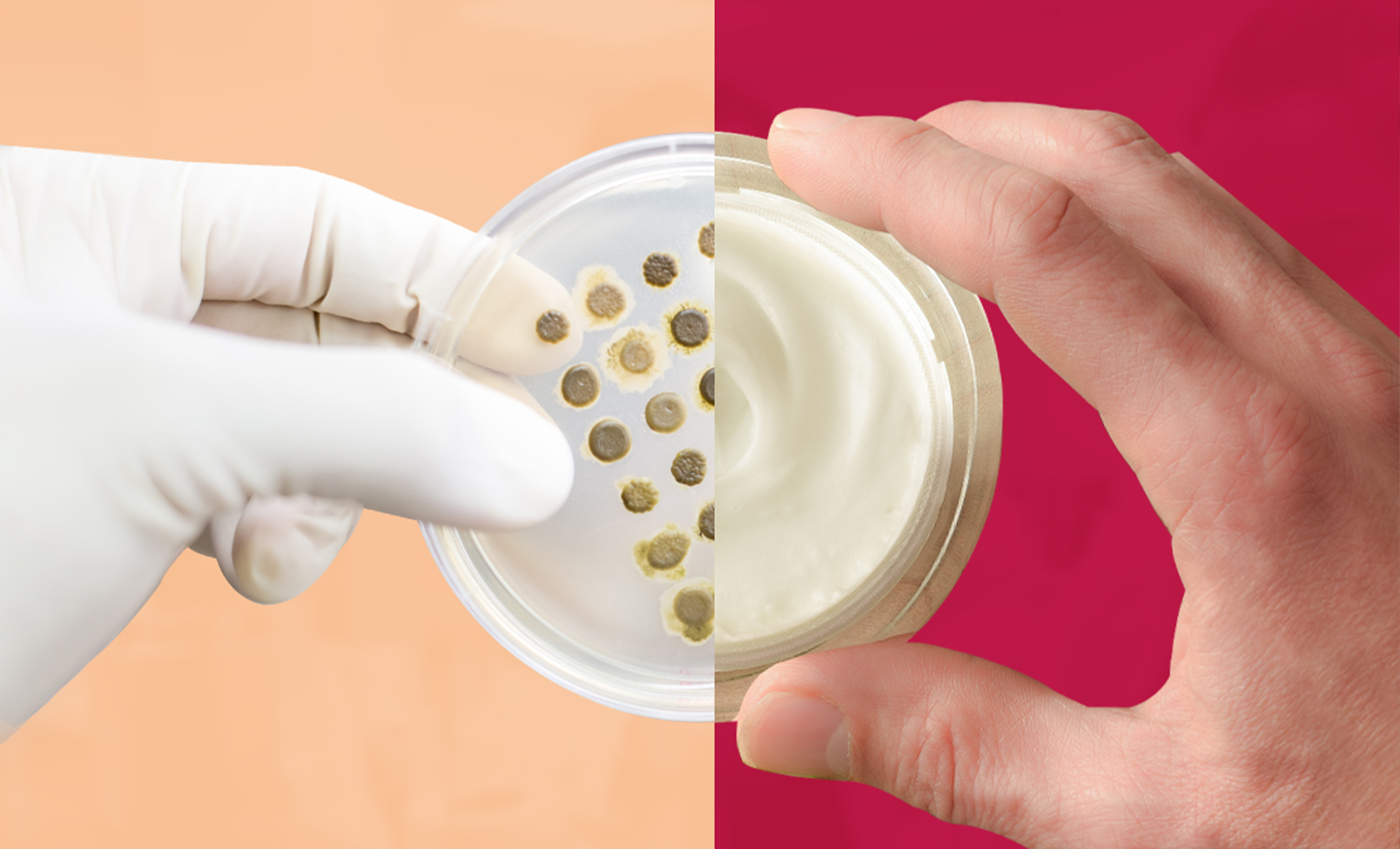
Microbiology plays a crucial role in ensuring the safety and quality of cosmetic products. Here are some ways in which microbiology impacts the safety and quality of cosmetics:
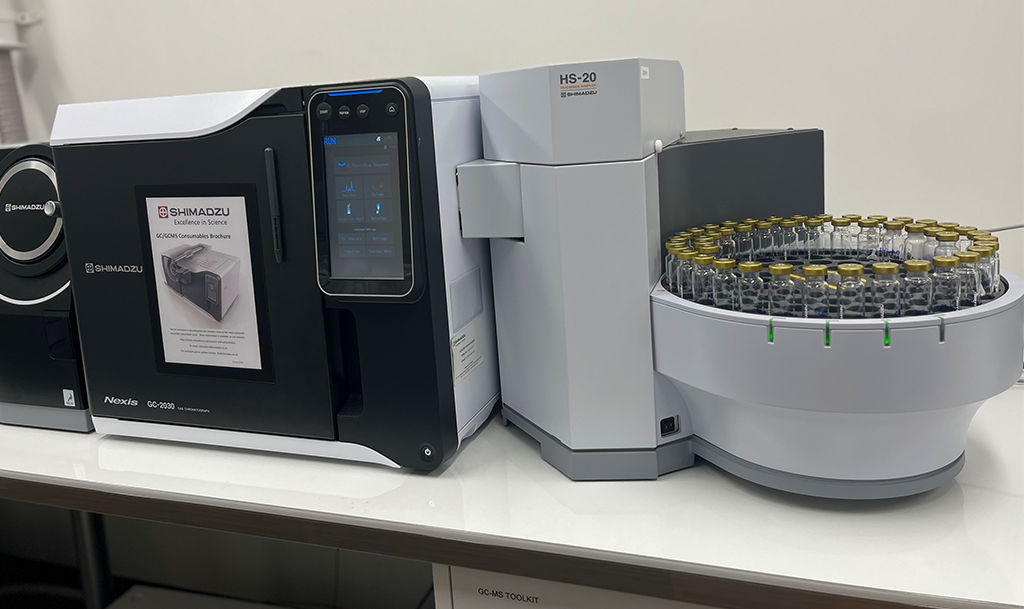
The significance of 1,4-dioxane and methanol testing in the US cosmetics market is driven by the need to ensure consumer safety, regulatory compliance, increasing consumer awareness, brand reputation, and international market access.
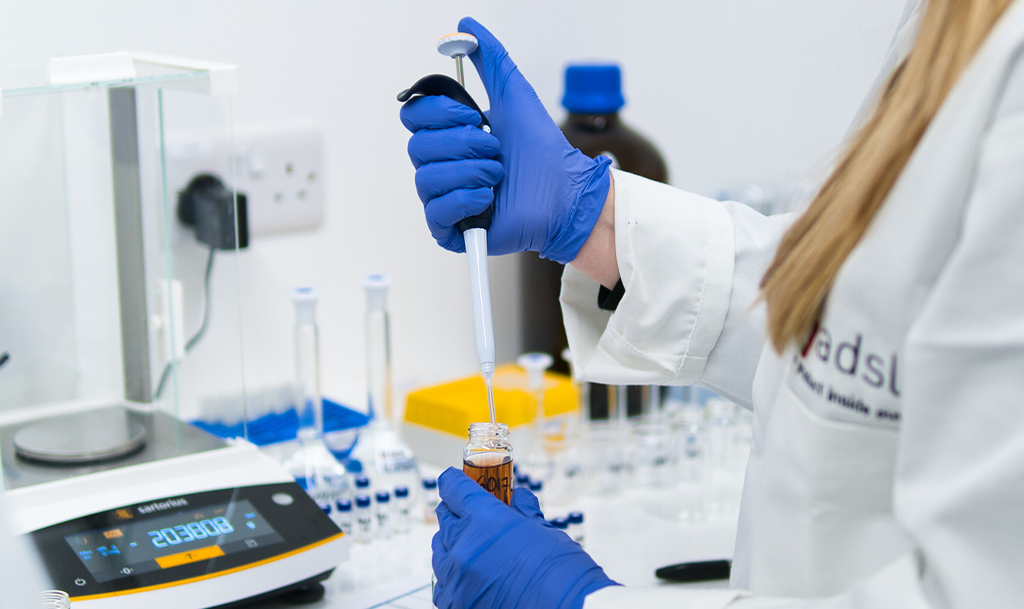
Preservative Efficacy Testing is crucial in cosmetics to safeguard consumer health, extend product shelf life, comply with regulatory requirements, maintain quality standards, and preserve product integrity. It plays a vital role in ensuring the safety and effectiveness of cosmetic products throughout their lifecycle.
MoCRA, comes into effect on December 29, 2023 and signifies a significant revision of the current regulatory framework for cosmetics established by the Food and Drug Administration (FDA). It introduces new provisions for cosmetic products within Chapter VI of the Federal Food, Drug, and Cosmetic Act (FDCA).
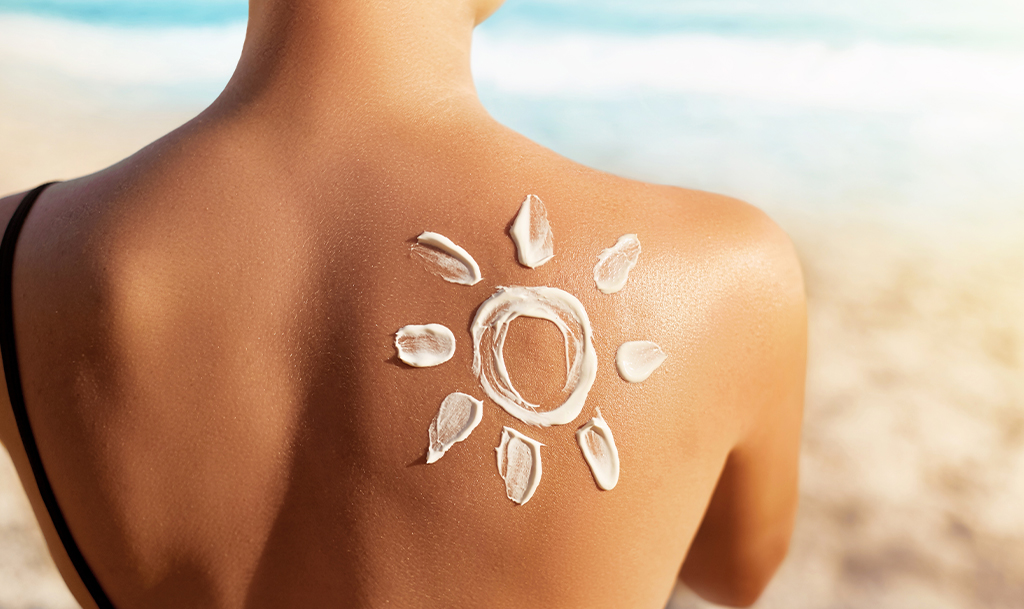
SPF testing, or Sun Protection Factor testing, is a type of evaluation performed on sunscreen products to determine their effectiveness in protecting the skin from the harmful effects of ultraviolet (UV) radiation. SPF is a numerical value that indicates the degree of protection a sunscreen offers against UVB rays, which are primarily responsible for causing sunburn and contributing to skin cancer.
Yes, it is possible to find asbestos in talc. Asbestos is a naturally occurring mineral fiber that has been used in various industries due to its heat resistance and insulating properties.
Sign up to our newsletter to receive insights and news from ADSL and key technical partners.