
1,4-Dioxane is a synthetic industrial chemical that can form as a byproduct during the manufacturing process of certain cosmetic ingredients, particularly those made using ethoxylation.
This includes surfactants like:
- Sodium laureth sulfate
- PEG compounds (polyethylene glycols)
- Polysorbates
It’s not added intentionally to cosmetic formulations but can be present as a contaminant. The concern? 1,4-Dioxane is classified as a potential human carcinogen by the U.S. Environmental Protection Agency (EPA) and has raised red flags in consumer safety evaluations across multiple markets.
Common Cosmetic Products That May Contain 1,4-Dioxane
Because 1,4-dioxane is a byproduct of ethoxylated ingredients, it is most often found in products designed to foam, emulsify, or cleanse. Here are some typical examples:
1. Shampoos & Conditioners
Many mainstream shampoos contain ingredients like sodium laureth sulfate, PEG derivatives, or polysorbates for cleansing and smooth texture. These ingredients can carry trace levels of 1,4-dioxane if not properly purified.
🧴 Example: Traditional drugstore shampoos with rich lather, including many under global brands like Pantene, Dove, or Garnier.
2. Body Washes & Shower Gels
These often include PEG-7 glyceryl cocoate, polysorbate-20, and laureth-based surfactants, which are all ethoxylated.
🧼 Example: Creamy or heavily fragranced body washes marketed as moisturizing or luxurious (e.g., Olay, Nivea).
3. Liquid Hand Soaps & Facial Cleansers
Especially in antibacterial or foaming variants, 1,4-dioxane may be present due to the use of PEG compounds or coceth sulfate.
🖐 Example: Budget-friendly or antibacterial foaming cleansers and soaps (e.g., Softsoap, Neutrogena, Clean & Clear).
4. Bubble Baths & Bath Foams
These often rely on sodium laureth sulfate for foam and polysorbates to disperse fragrance or essential oils.
🛁 Example: Children’s bath products, luxury foam baths, or scented bubble products.
5. Hair Relaxers and Straightening Treatments
Some relaxers or chemical straighteners may include ethoxylated emulsifiers or PEG-based conditioners.
💇 Example: Certain thermal reconditioning products or boxed relaxer kits.
How Does 1,4-Dioxane Get Into Cosmetics?
The chemical is a byproduct of the reaction between ethylene oxide and other ingredients used to soften or reduce the harshness of detergents. Ethoxylated ingredients are common in shampoos, body washes, bubble baths, and facial cleansers — all products that foam and emulsify. Manufacturers don’t deliberately add 1,4-dioxane, but without proper purification steps, trace amounts can remain in the final product.
Regulatory Landscape: Where is it Banned or Restricted?
United States:
- The FDA does not ban 1,4-dioxane, but encourages manufacturers to remove it through vacuum stripping and proper purification.
- However, states like California have placed tighter controls through Proposition 65, listing it as a chemical known to cause cancer.
- New York State has taken a harder stance. As of 2022, it banned 1,4-dioxane levels above:
- 2 ppm in personal care products
- 10 ppm in household cleaning products
European Union:
- The EU’s Cosmetic Regulation (EC) No. 1223/2009 prohibits the intentional inclusion of 1,4-dioxane.
- However, because it may be present as an impurity, it must be minimized under Annex II (prohibited substances) and Article 3 (safety clause).
- Suppliers are expected to ensure raw materials are properly purified.
How is 1,4-Dioxane Tested in Cosmetics?
The gold standard method for detecting and quantifying 1,4-dioxane is:
Gas Chromatography–Mass Spectrometry (GC-MS)
- This technique identifies volatile organic compounds at very low concentrations — even parts per billion (ppb).
- Sample preparation may involve solid-phase microextraction (SPME) or headspace analysis, depending on the matrix.
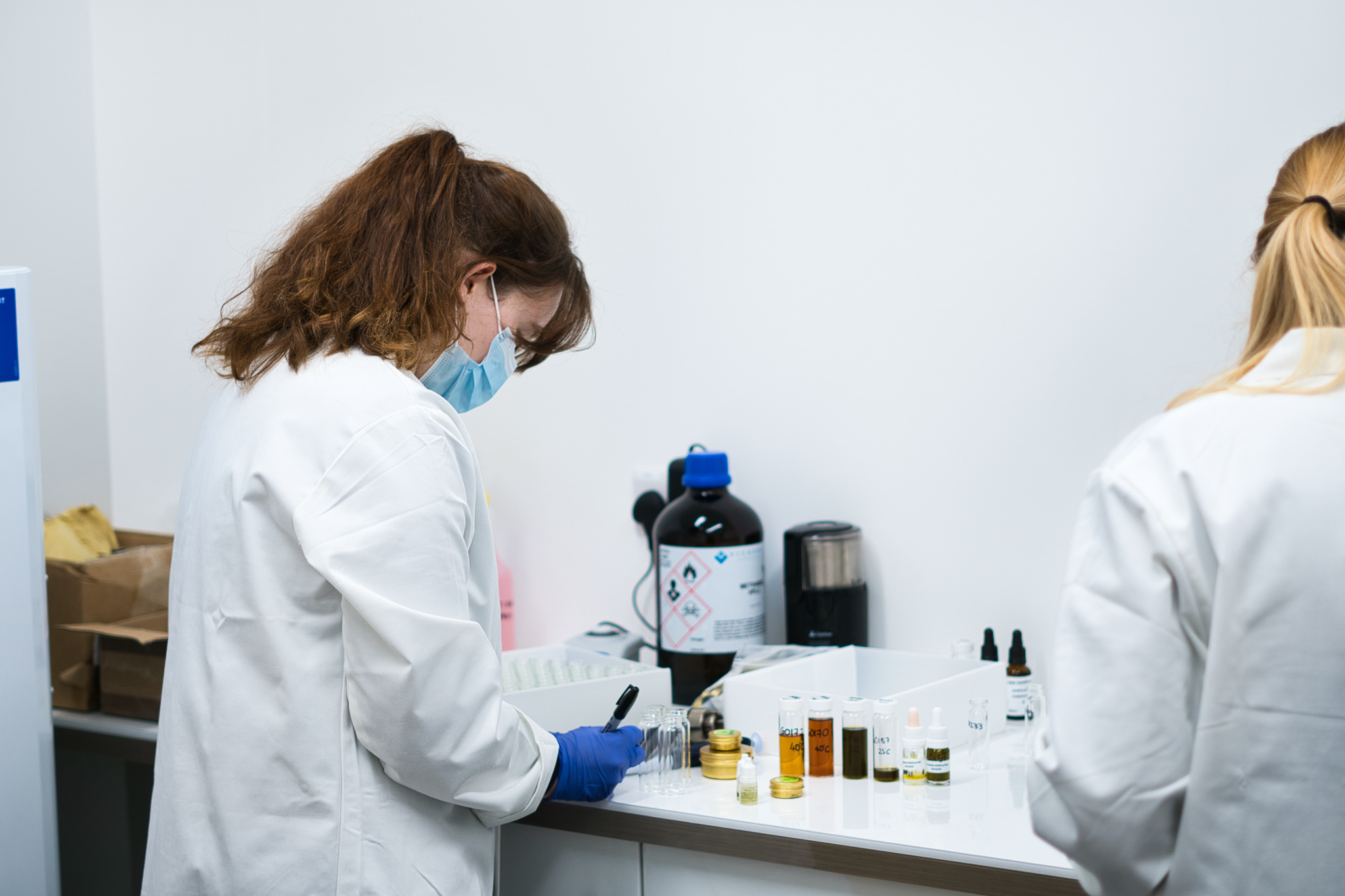
Laboratories like Advance Development & Safety Laboratories (ADSL) offer contaminant screening as part of their routine quality control or to support Cosmetic Product Safety Reports (CPSRs).
Brand Responsibility and Best Practices
To stay compliant and build consumer trust, cosmetic brands should:
- Source ethoxylated raw materials from reputable suppliers who conduct rigorous purification.
- Request and review 1,4-dioxane test data or certificates of analysis (CoAs).
- Perform batch testing if manufacturing in-house or with new suppliers.
- Include 1,4-dioxane screening as part of PMS (Post-Market Surveillance).
The Clean Beauty Movement and Labeling
Consumers are increasingly seeking products free from contaminants, even in trace amounts. Certifications like “Clean at Sephora” or EWG’s Skin Deep often flag 1,4-dioxane as a chemical of concern.
Brands using “clean” or “non-toxic” claims should ensure third-party testing is in place — not just for marketing, but for genuine risk reduction.
Final Thoughts
1,4-Dioxane may be invisible on your product’s label, but regulators and consumers alike are paying closer attention to its presence. Testing is not only a compliance issue — it’s a cornerstone of quality assurance and brand transparency.
If you’re developing a new product or concerned about existing formulations, Advance Development & Safety Laboratories (ADSL) can help.
We offer a range of analytical and safety services to support regulatory compliance and consumer safety, including:
- 1,4-Dioxane Screening (via GC-MS)
- Ethoxylated Raw Material Purity Assessment
- Contaminant Profiling in Finished Products
- Certificate of Analysis (CoA) Verification
- Regulatory Compliance Checks (EU, UK, US)
- Cosmetic Product Safety Reports (CPSR) including impurity risk assessments
- Ongoing Post-Market Surveillance (PMS) support
Whether you’re developing a new formulation or reviewing your current product line, our technical team can guide you through best practices for managing trace impurities and ensuring full documentation.