
As consumer awareness of ethical and sustainable practices grows, the cosmetics industry is seeing a significant rise in demand for vegan and cruelty-free products.
These terms, though often used interchangeably, represent distinct values that together reflect a commitment to both animal welfare and ethical consumption. For brands aiming to meet this demand, understanding and validating these claims is not only a moral imperative but also a strategic necessity.
Defining Vegan and Cruelty-Free Standards
Vegan cosmetics are those formulated without any animal-derived ingredients or by-products, such as beeswax, lanolin, or carmine. Cruelty-free products, on the other hand, focus on ensuring that no animal testing is involved at any stage of production, from ingredient sourcing to final formulation. While the two concepts often align, it is possible for a product to be vegan without being cruelty-free, and vice versa. This distinction makes it essential for brands to communicate their claims with precision and transparency.
The Ethical Shift in Consumer Behaviour
The surge in demand for vegan and cruelty-free cosmetics reflects a broader cultural shift toward ethical and sustainable consumption. Consumers, particularly younger generations, are increasingly making purchasing decisions based on their values, prioritising products that align with their concerns about animal welfare and environmental impact. For brands, this presents an opportunity to build loyalty and trust by demonstrating a genuine commitment to ethical practices.
However, meeting these expectations is far from straightforward. Developing products that adhere to vegan and cruelty-free standards requires meticulous attention to detail, particularly in sourcing and production processes. Ingredients must be carefully scrutinised to ensure they contain no animal-derived components, while rigorous audits are needed to confirm that suppliers uphold cruelty-free practices.
Challenges in Validation and Labelling
Navigating the complexities of certification is one of the biggest challenges for brands entering this market. Recognised certifications, such as Leaping Bunny for cruelty-free claims or The Vegan Society’s Vegan Trademark, play a critical role in providing credibility. These certifications require brands to submit detailed documentation, undergo regular audits, and demonstrate compliance with stringent standards.
The process of obtaining these certifications can be resource-intensive, particularly for smaller brands. Ingredient transparency is critical, and any hidden animal-derived inputs must be identified and eliminated. Moreover, labelling requirements add another layer of complexity. Claims such as “vegan” or “cruelty-free” must be backed by verifiable evidence to avoid misleading consumers or falling afoul of regulatory bodies.
Innovation Driving Ethical Progress
In response to these challenges, innovation has become a cornerstone of ethical product development. Advances in biotechnology are offering new solutions, such as lab-grown alternatives to traditional animal-derived ingredients. Synthetic beeswax and plant-based squalane are just two examples of how science is enabling brands to maintain product efficacy while adhering to ethical principles.
Collaboration within the industry is also paving the way for progress. By sharing knowledge and best practices, brands can collectively raise the bar for ethical standards. Working closely with suppliers who prioritise transparency and sustainability helps streamline compliance processes and reduces the risk of non-compliance.
The Role of Regulatory Oversight
Compliance with regional and international regulations is essential for brands making vegan and cruelty-free claims. In markets like the European Union, the Cosmetics Regulation (EC) No. 1223/2009 imposes strict requirements on product claims, demanding thorough documentation and evidence to support them. Post-Brexit, the UK has retained similar standards, though brands must navigate dual compliance for products sold in both regions.
Regulatory scrutiny ensures that ethical claims are not used as marketing gimmicks but reflect genuine commitments. For consumers, this builds trust; for brands, it establishes a competitive edge in a market that increasingly values authenticity.

ADSL’s Approach to Ethical Compliance
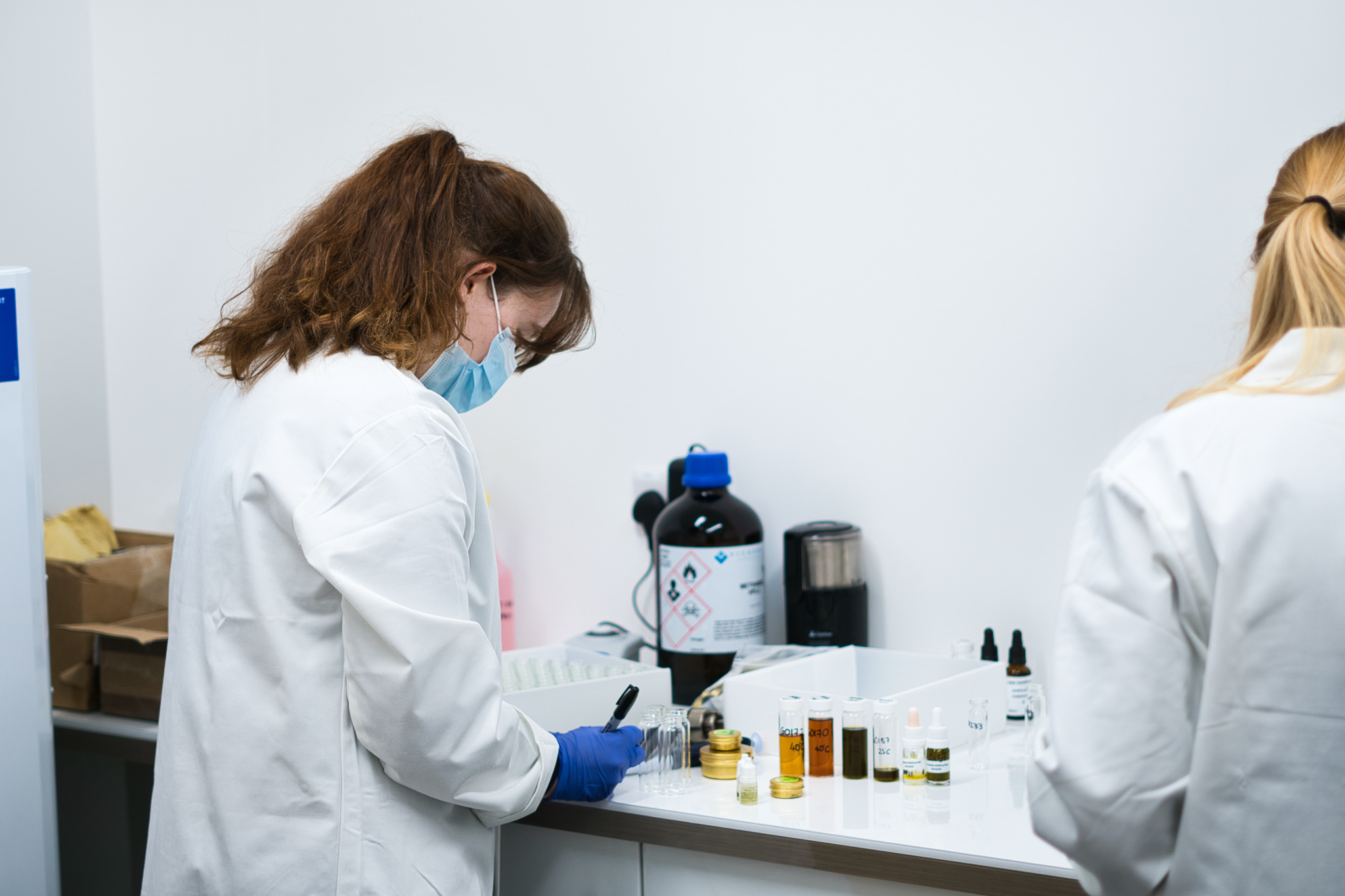
At ADSL, we recognise the importance of supporting brands in their journey toward ethical excellence. Our approach combines regulatory expertise with practical solutions to address the challenges of vegan and cruelty-free certification. From ingredient analysis and supply chain audits to labelling compliance and certification guidance, we provide the tools brands need to succeed in this growing market.
The Path to Consumer Trust
As the demand for ethical products continues to grow, brands that prioritise transparency and innovation will emerge as leaders. Vegan and cruelty-free claims are no longer optional add-ons but integral aspects of modern brand identity. By aligning with consumer values and maintaining rigorous standards, companies can foster trust and loyalty, securing their place in an ethically driven market.
Conclusion
The rise of vegan and cruelty-free cosmetics reflects a broader shift toward conscious consumerism. For brands, meeting these demands requires a commitment to transparency, innovation, and regulatory compliance. With the right strategies and support, navigating this complex landscape becomes an opportunity to build lasting consumer relationships and contribute to a more ethical industry. ADSL stands ready to help brands achieve these goals, combining expertise with a shared vision for a sustainable and cruelty-free future.