

The UK’s leading development, testing & regulatory laboratory.
Sign up to our newsletter to receive insights and news from ADSL and key technical partners.
Get started with our expert team
Get started with our expert team

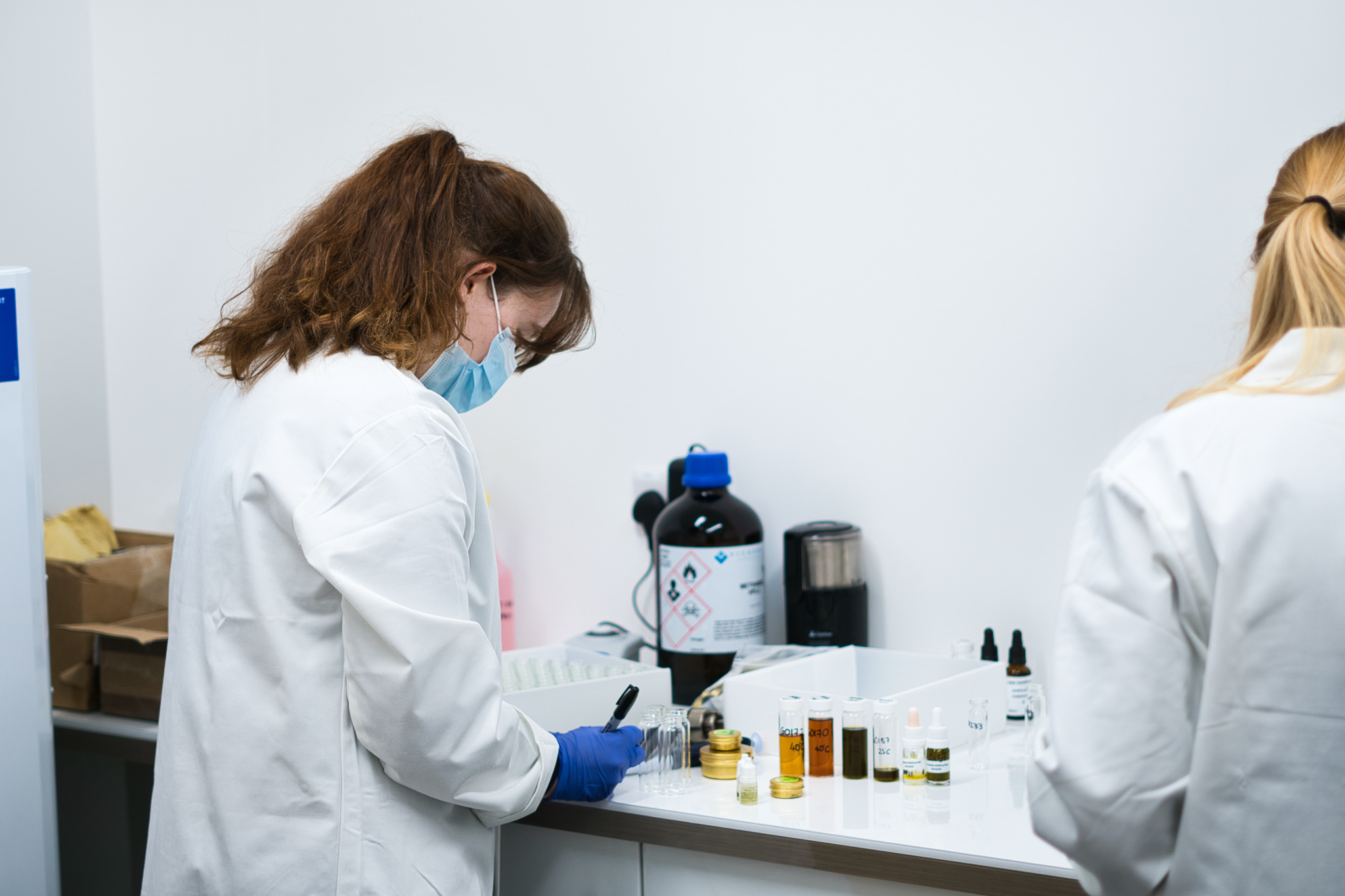
Utilising our high-tech equipment in the analytical centre, we are able to offer a wide range of quantitative and qualitative testing solutions. From finished product testing, including heavy metals in pressed powders or solvent detection, to full stability trials for novel product applications, our team will be there to support you through the process

Hydration and moisture are pivotal for skin health and aesthetics, and thus stand as central pillars in the development of cosmetic products. Clinical user trials are indispensable in this journey, providing critical data to affirm the efficacy, safety, and user satisfaction of these products.

BS EN 14476 is a European standard that pertains to the evaluation of virucidal activity for chemical disinfectants and antiseptics. This standard outlines the methods and criteria for assessing the effectiveness of these products in inactivating or reducing the infectivity of viruses.
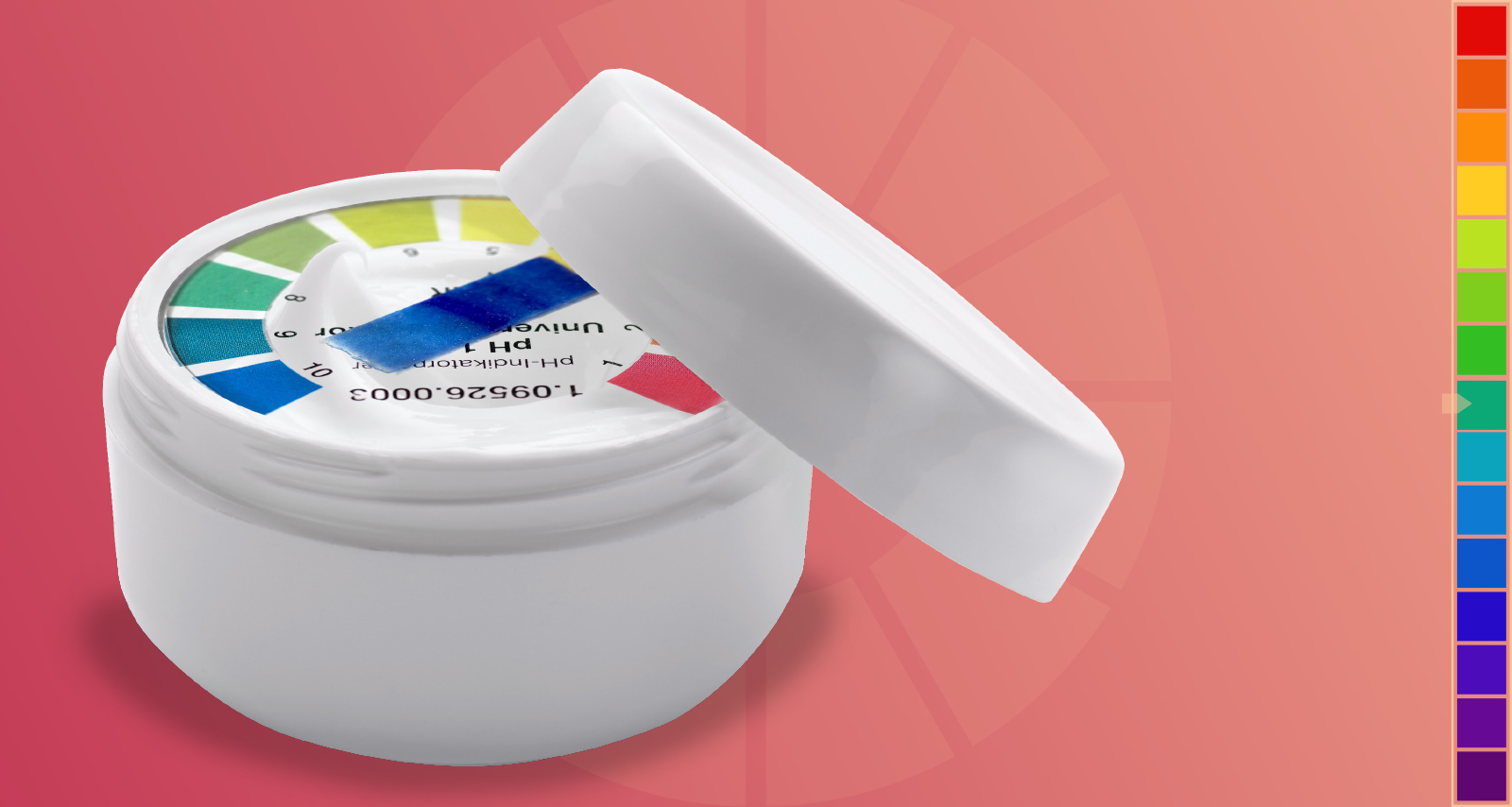
In the realm of cosmetic product development, pH specification testing plays a vital role in crafting formulations that meet precise pH requirements. The pH level of a cosmetic product has a profound impact on its stability, effectiveness, and compatibility with the skin or hair.

BS EN 1500 is a European standard that specifies a test method and requirements for the evaluation of the efficacy of chemical disinfectants and antiseptics used in the field of human hygiene.

We are excited to announce that ADSL is now able to offer a U.S. MoCRA Responsible Person Representative Service.

Stability testing for cosmetic products is a crucial quality control and safety evaluation process used to assess how a cosmetic product’s physical, chemical, and microbiological properties change over time under various storage conditions. The primary goal of stability testing is to ensure that the product remains safe, effective, and of high quality throughout its intended shelf life.

Its primary purpose is to evaluate the ability of a product’s preservative system to protect against microbial contamination over its intended shelf life and under normal usage conditions.
Sign up to our newsletter to receive insights and news from ADSL and key technical partners.