In the highly competitive world of cosmetics, product claims serve as promises that define consumer expectations and influence purchasing decisions.
Descriptions such as “anti-aging,” “hydrating,” and “dermatologist-approved” are not just marketing tools; they represent assurances of efficacy and quality. However, these claims come under increasing scrutiny from both consumers and regulatory authorities. For brands, ensuring these promises are truthful and legally defensible is paramount.
The Importance of Substantiating Claims
For a cosmetic claim to hold up under regulatory scrutiny, it must be truthful, not misleading, and backed by robust evidence. This foundational principle is not only a matter of regulatory compliance but also a critical element in maintaining consumer trust. Unsubstantiated claims can lead to significant reputational damage and financial consequences, making thorough validation essential.
In practice, substantiation requires evidence that supports the claim’s specific language and scope. A statement such as “reduces wrinkles” implies measurable, visible results, which must be demonstrated through rigorous testing. Similarly, terms like “dermatologist-approved” suggest professional endorsement, requiring verification that qualified experts have reviewed and supported the product’s safety and efficacy.
Evolving Regulatory Standards
Regulatory authorities worldwide have established clear expectations for cosmetic claims. In the European Union, the Common Criteria for Cosmetic Claims under Regulation (EU) No 655/2013 outlines six guiding principles, including legal compliance, evidential support, and honesty. These principles ensure that claims are not only truthful but also presented in a way that allows consumers to make informed decisions. For instance, the regulation prohibits claims like “free from” an ingredient if that ingredient is already banned, as such statements could mislead consumers.
In the United States, the Federal Trade Commission (FTC) evaluates cosmetic claims to ensure they are not deceptive. Claims like “clinically proven” are subject to rigorous scrutiny and must be backed by robust clinical studies. Similarly, marketing language that exaggerates results or misrepresents benefits can attract penalties.
Testing and Documentation as Cornerstones
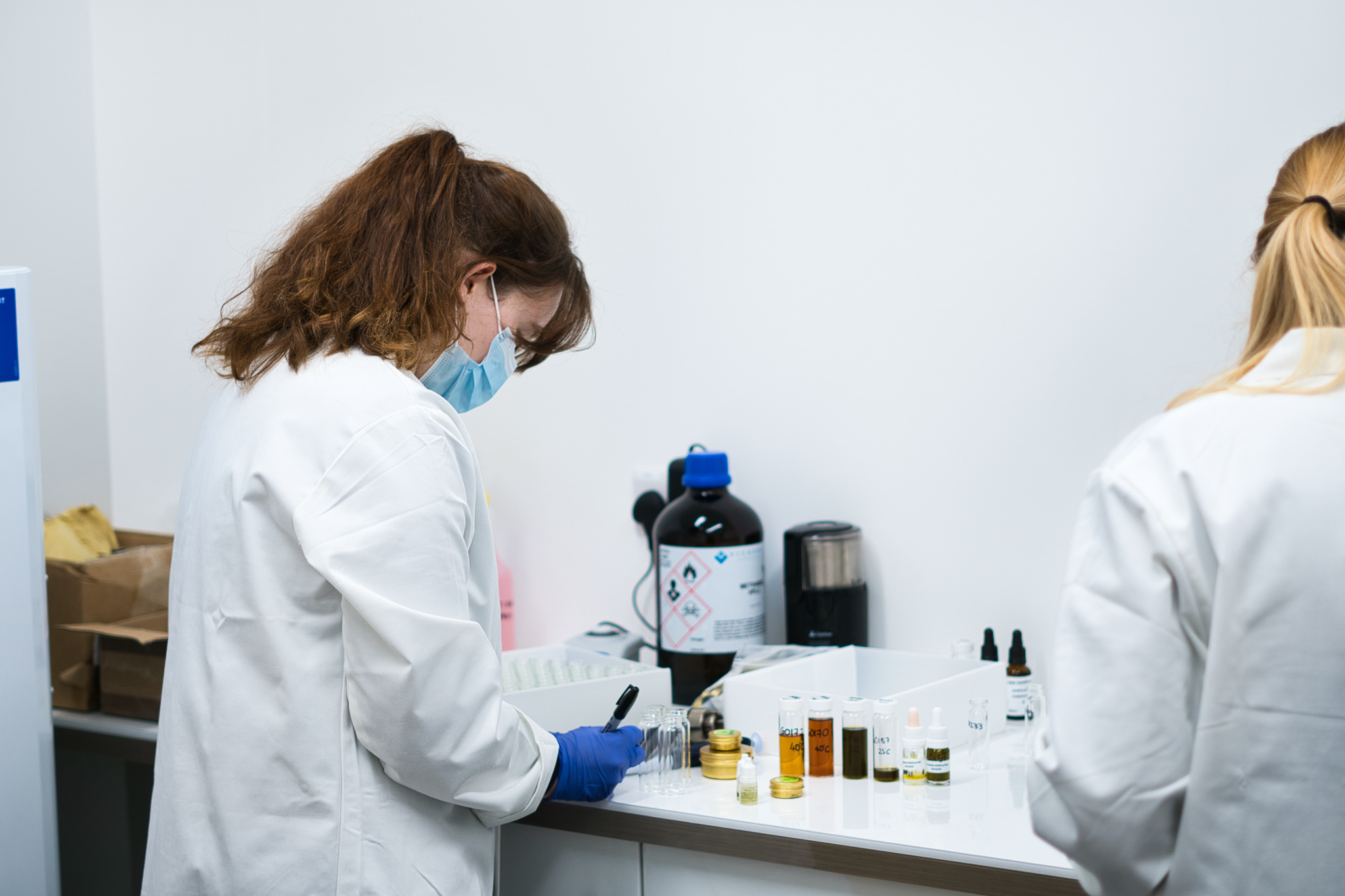
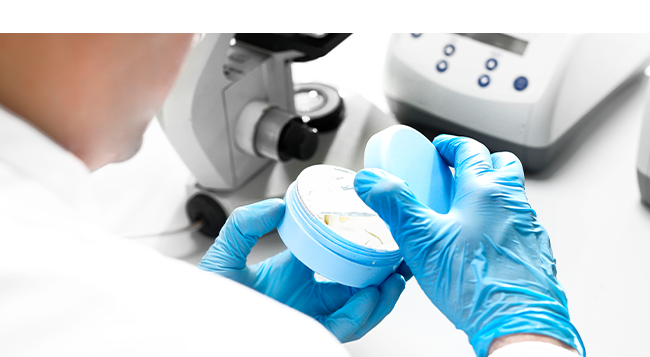
Testing serves as the backbone of claim validation. Clinical trials, consumer perception studies, and laboratory testing all contribute to the evidence needed to support claims. For example, an anti-aging cream might undergo clinical trials to measure its effect on wrinkle reduction over a specified period. These trials often include controlled conditions, placebo comparisons, and reproducible methodologies to ensure credibility.
Equally important is documentation. Brands must maintain comprehensive records of all testing, ingredient specifications, and approvals. This documentation not only provides a clear audit trail but also equips brands to respond effectively to regulatory inquiries or challenges. A well-documented claim is a defensible claim.
The Balance Between Creativity and Compliance
Marketing teams often seek to craft bold, engaging claims that capture consumer interest. However, this creative drive must be balanced with the need for compliance. Overpromising or making unverifiable assertions can backfire, leading to regulatory action and eroded trust. Collaboration between marketing, research, and regulatory teams is essential to ensure that claims are both compelling and substantiated.
Building Consumer Trust Through Transparency
As consumers become increasingly informed, the demand for transparent and evidence-based claims continues to grow. Buyers are not just looking for effectiveness; they want to understand how and why a product works. Brands that communicate openly about their testing processes and ingredient choices build credibility and foster long-term loyalty.
This transparency extends beyond the claims themselves. Providing access to detailed information about testing methodologies, expert endorsements, and ingredient sourcing allows consumers to make informed decisions. In an era where trust is a valuable commodity, transparency is no longer optional; it is a competitive advantage.
ADSL’s Expertise in Claims Validation
Cosmetic claims represent more than marketing strategies; they are commitments to consumers that must withstand scrutiny. By investing in rigorous testing, comprehensive documentation, and transparent communication, brands can navigate the complexities of claim validation while building trust and loyalty. In a market where authenticity matters, legally defensible claims are not just a regulatory necessity but a foundation for long-term success.
At ADSL, we understand the complexities of validating cosmetic claims in a regulatory landscape that demands both precision and accountability. Our expertise lies in guiding brands through every step of the process, from designing clinical studies to ensuring regulatory compliance. By partnering with us, brands can navigate these challenges with confidence, knowing their claims are both defensible and compelling.