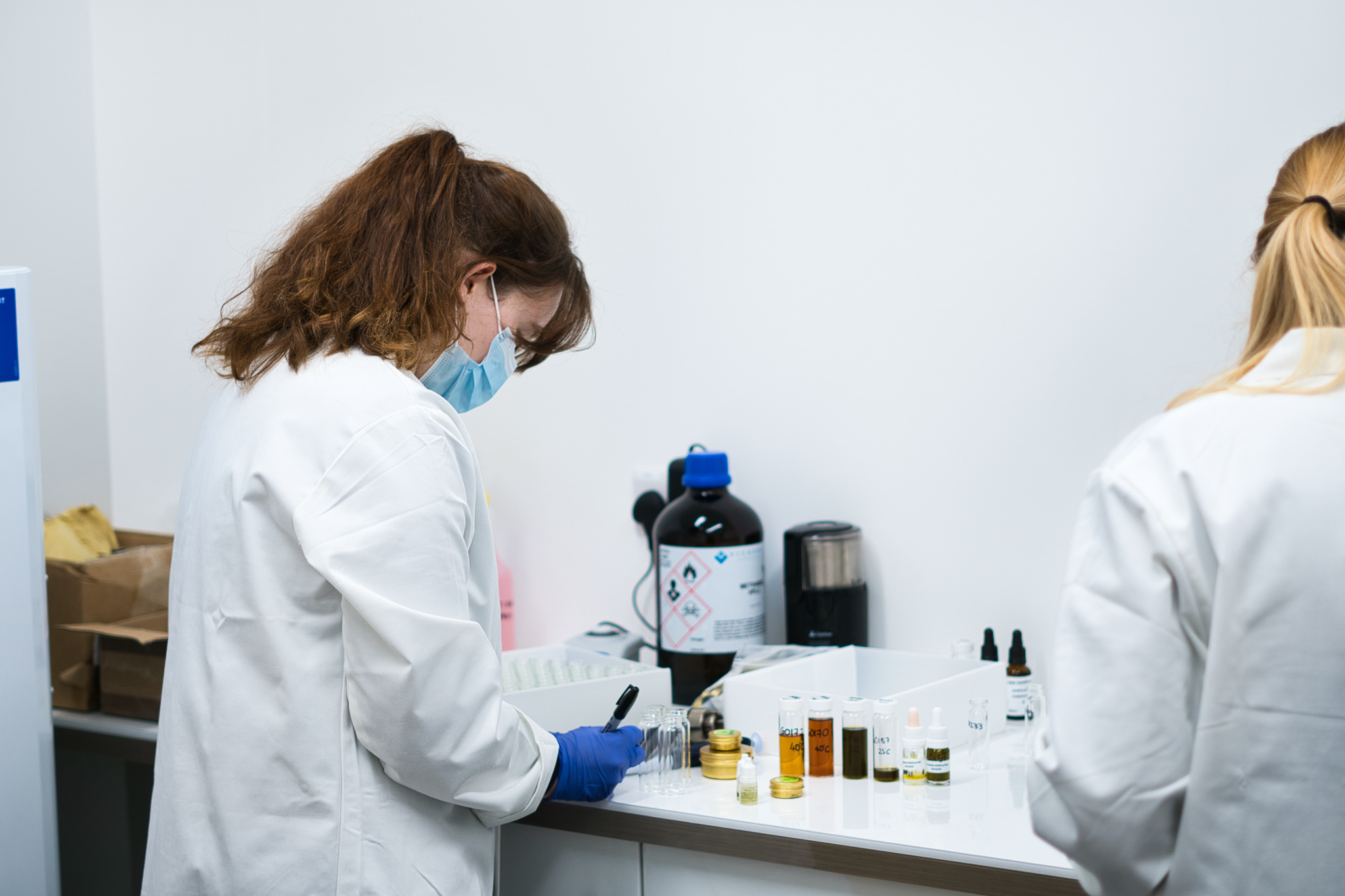

At ADSL Laboratories in Paignton, we specialise in developing bespoke cosmetic formulations to tackle a wide range of skin concerns. One area where our expertise truly shines is in addressing melanin imbalances, including conditions that lead to hypopigmentation, and creating cosmetic products that support repigmentation.
As consumer awareness grows around pigmentation issues, brands are seeking innovative, safe, and effective solutions to help restore even skin tone and promote healthy melanin function.
Understanding Melanin and Pigmentation Challenges
Melanin, the pigment responsible for skin, hair, and eye colour, plays a vital role in protecting the skin from UV radiation. The condition is most prevalent in black and mixed race skin, as well as asians, and can begin to show from childhood. However, melanin production can become disrupted due to various factors, leading to pigmentation disorders. These include:
- Hypopigmentation: The loss or reduction of melanin in the skin, resulting in lighter patches. Conditions like vitiligo, post-inflammatory hypopigmentation, and other skin traumas can cause this imbalance. Genetics can be an influence, with the condition effecting more than one family member across the generations, rather then being an isolated case.
- Hyperpigmentation: The overproduction of melanin, leading to dark spots or patches on the skin. While much attention is given to hyperpigmentation, the industry is now shifting to recognise the importance of treating repigmentation for hypopigmented areas as well.
Repigmentation—encouraging the return of melanin to areas where it has been lost or diminished—poses a unique challenge in cosmetic formulation. It requires ingredients and strategies that not only stimulate melanin production but do so in a controlled and safe manner.
ADSL’s Approach to Repigmentation Product Development
At ADSL Laboratories, we work closely with our clients to create formulations that effectively address repigmentation through innovative active ingredients and proven delivery systems. Here are key strategies we employ when developing products to support repigmentation:
1. Stimulating Melanocyte Activity
The repigmentation process revolves around stimulating melanocytes—the cells responsible for melanin production. Ingredients that can safely encourage melanocyte activity are central to our formulations:
- Peptides: Certain peptides have been shown to stimulate melanogenesis by enhancing melanocyte function and promoting melanin transfer to the skin’s surface. These peptides can be tailored to specific client needs, providing a targeted approach to repigmentation.
- Melanocyte-stimulating Compounds: Ingredients like dihydroxyacetone (DHA) or melanogenesis boosters can play a role in encouraging melanin synthesis. These compounds can be integrated into formulations designed to work gradually, delivering a natural-looking skin tone.
2. Addressing Skin Barrier Health
For repigmentation to be effective, maintaining a healthy skin barrier is crucial. Hypopigmented skin is often more sensitive, making it essential to incorporate barrier-supportive ingredients that ensure the skin remains resilient and hydrated during treatment.
-
- Ceramides and Lipids: Strengthening the skin’s natural lipid barrier helps protect against external irritants while allowing active ingredients to work more effectively.
- Anti-inflammatory Agents: Ingredients like niacinamide and bisabolol help to reduce inflammation, which is particularly important in preventing further skin trauma and optimising the environment for repigmentation.
- Cool and calm maintaining a calm balance helps to avoid reactions, and the condition escalating. Look for natural ingredients well-known to cool, calm and hydrate such as aloe vera, coconut oil, mushrooms, chamomile, shea butter, honey, calendula, jojoba oil, and mallow flower etc..
3. Sun Protection and Pigment Regulation
UV exposure plays a dual role in pigmentation disorders—it can worsen hyperpigmentation and inhibit repigmentation in hypopigmented areas. Ensuring that skin is adequately protected is vital for the success of any repigmentation treatment.
- Broad-Spectrum SPF: Sunscreens are essential in preventing further damage and creating an environment that allows for safe and effective repigmentation. We develop formulas that combine broad-spectrum protection with active ingredients for maximum efficacy.
- Antioxidants: Ingredients like vitamin E, coenzyme Q10, and resveratrol protect the skin from oxidative stress and UV damage, ensuring melanocytes can function optimally without interference from environmental aggressors.
4. Advanced Delivery Systems
Repigmentation treatments often require deep penetration of active ingredients to reach the melanocytes located in the basal layer of the skin. At ADSL, we utilise advanced delivery systems to ensure that active ingredients are delivered precisely where they are needed:
- Encapsulation Technology: By encapsulating key actives such as peptides and antioxidants, we can enhance stability and improve the delivery of these ingredients, ensuring they penetrate deeply into the skin for targeted results.
- Nanotechnology: Nanoparticles can improve the bioavailability of active compounds, making them more effective at smaller concentrations, thus reducing the risk of irritation in sensitive skin.
5. Balancing Consumer Expectations and Efficacy
Consumers looking for solutions to hypopigmentation are often seeking gradual, natural-looking results. Our formulations are designed to promote a balanced, even skin tone without the risk of overcompensation or blotchy outcomes. We work with our clients to ensure that products meet both aesthetic and functional expectations.
Active Ingredients in Repigmentation Formulations
When developing cosmetic products aimed at supporting repigmentation, ADSL incorporates a range of active ingredients known to help restore balance to the skin:
- Bakuchiol: A natural alternative to retinoids, bakuchiol helps stimulate melanocytes without the irritation often associated with stronger actives like retinol, making it suitable for sensitive skin types.
- Kojic Acid and Arbutin: Although typically used for lightening hyperpigmentation, these ingredients can help regulate melanin production in a controlled manner, preventing the overproduction of pigment in surrounding skin.
- Tranexamic Acid: This versatile ingredient not only addresses hyperpigmentation but can also be used in formulas that promote repigmentation, balancing overall skin tone.
- Plant-based Extracts: Botanicals like licorice root and mulberry extract contain compounds that help regulate melanin synthesis, making them excellent choices for gentle, natural repigmentation treatments.
Collaboration with ADSL Laboratories
As a trusted partner in cosmetic product development, ADSL Laboratories offers a collaborative approach, working with our clients to develop products that not only meet the highest industry standards but also align with brand values and consumer needs. Our Paignton-based team is committed to providing expert formulation services, from initial concept through to finished product, ensuring that every formula is tailored to achieve optimal results.
If your brand is looking to develop innovative cosmetic solutions that support repigmentation and melanin regulation, contact us today. Together, we can create formulations that address these complex skin concerns, helping your customers achieve healthier, more even-toned skin.
Take the next steps
If you would like to know more about the services ADSL provides or speak to a member of our Formulation & Development team please call +44 (0) 1803 520 048 or book a free video consultation with us using the Get Started link below.