The beauty industry has seen a remarkable transformation in recent years, with the rise of “clean beauty” becoming a defining trend.
Consumers are increasingly drawn to products that are not only effective but also safe, natural, and environmentally responsible. For brands, this shift presents a valuable opportunity to build loyalty and trust. However, it also introduces challenges, particularly in navigating the intricate regulatory frameworks surrounding natural and organic claims.
Defining Clean Beauty
Clean beauty is a term that embodies a commitment to safety, sustainability, and transparency. These products are often characterised by the use of natural ingredients derived from plants, minerals, or animal sources. Many are certified organic, indicating that their ingredients have been grown without synthetic pesticides or fertilisers. Clean beauty also prioritises sustainable practices, such as eco-friendly packaging and ethical sourcing, while maintaining transparency through clear labelling and full ingredient disclosure. Yet, despite its appeal, the lack of a universal definition for clean beauty leaves room for interpretation and potential misuse.
The Challenges of Regulatory Compliance
The growing popularity of clean beauty has led to a surge in products making “natural” or “organic” claims. However, these terms are often ambiguous and can attract regulatory scrutiny. The European Union, United States, and United Kingdom have each established distinct standards to address these claims, creating a complex regulatory landscape for brands to navigate.
In the European Union, regulations under Cosmetics Regulation (EC) No. 1223/2009 set the benchmark for natural and organic products. ISO 16128 Standards, while voluntary, provide a framework for defining and calculating the natural and organic content of products. Claims must also align with EU Regulation (EU) No. 655/2013, ensuring they are truthful and substantiated.
In the United States, the Food and Drug Administration (FDA) does not formally define “natural” or “organic” cosmetics, but the USDA Organic Certification applies to products meeting strict agricultural standards. The Federal Trade Commission (FTC) also plays a role by monitoring deceptive marketing practices and encouraging transparency in claims. Meanwhile, in the United Kingdom, post-Brexit regulations retain much of the EU’s structure but require brands to comply with UK-specific labelling and claim requirements, particularly as regulatory divergence may increase over time.
Ensuring Compliance in the Clean Beauty Space
For brands looking to capitalise on the clean beauty trend, achieving compliance is essential. The first step is to maintain ingredient transparency, ensuring that records of ingredient sourcing and processing are clear and complete. Internationally recognised standards, such as ISO 16128, can help quantify the natural and organic content of products, providing a foundation for substantiated claims.
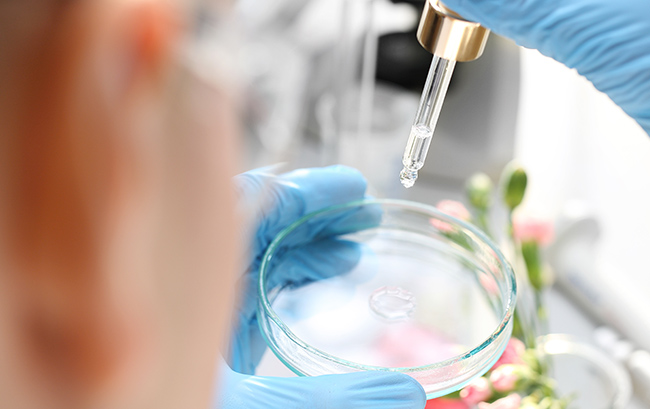
Substantiating claims is equally critical. Brands must support terms like “natural,” “organic,” and “eco-friendly” with robust evidence. This often involves rigorous testing and certification processes to demonstrate the validity of claims. Staying informed about changes in regulations across markets is also vital. Partnering with compliance experts ensures that brands can navigate these differences effectively.
Communication plays a pivotal role in clean beauty. Clear and honest language on product labels and marketing materials builds consumer trust. Educating consumers about the meaning of certifications and labels helps them make informed choices and strengthens their confidence in the brand.
ADSL: Your Partner in Clean Beauty Compliance
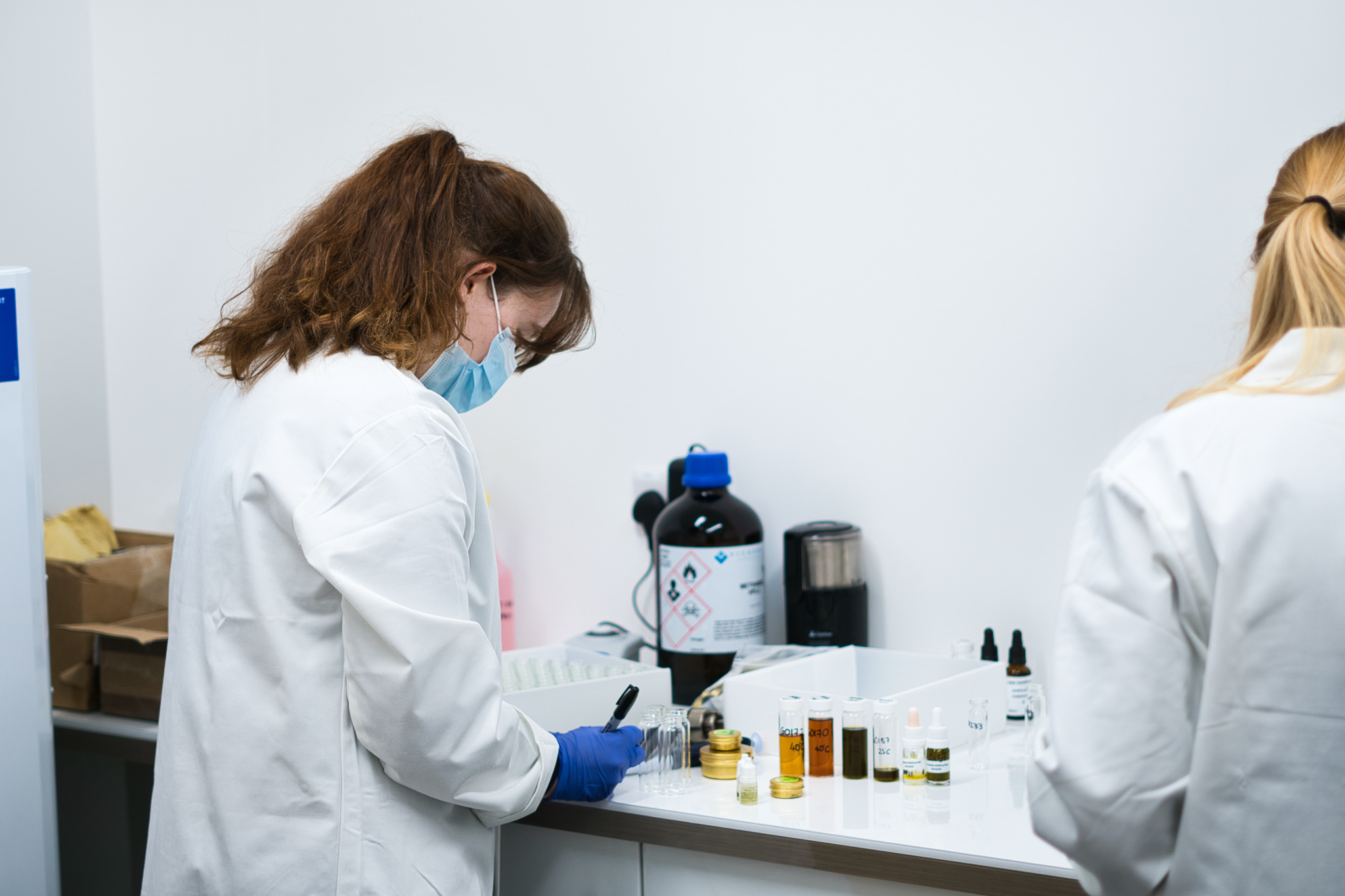
As a British leader in cosmetic formulation and regulatory compliance, ADSL is uniquely positioned to support brands entering the clean beauty space. Our services encompass everything from developing customised formulations using natural and organic ingredients to ensuring full regulatory compliance. With expertise in claims substantiation, we conduct rigorous product testing to validate transparency and adherence to regulations. We also prepare Product Information Files (PIFs) and safety assessments to meet EU and UK requirements, offering ongoing regulatory updates and compliance audits to keep brands ahead of the curve.
The Future of Clean Beauty
Clean beauty is reshaping the cosmetics industry, offering exciting opportunities for innovation and growth. However, navigating the complexities of natural and organic claims demands expertise and vigilance. By aligning with a trusted partner like ADSL, brands can confidently deliver products that meet consumer expectations while adhering to the highest regulatory standards. The future of clean beauty is bright, and with the right support, your brand can lead the way in this transformative movement.
Take the next steps
If you would like to know more about the services ADSL provides or speak to a member of our Regulation & Compliance team please call +44 (0) 1803 520 048 or click on the Get Started link below.